Members of the Morus Community documents their parallel processes of home-sericulture in a collective diary. Through the diary, a mapping of mulberry trees, weather and other circumstances that affect the cycles of the silkworms is formulated.
The aim of the collective diary is to build an archive of collected knowledge of home-sericulture on a small scale. This has so far not been written, as the historical texts and descriptions of sericulture found in archives are aimed at industrial production with markedly different conditions.
-
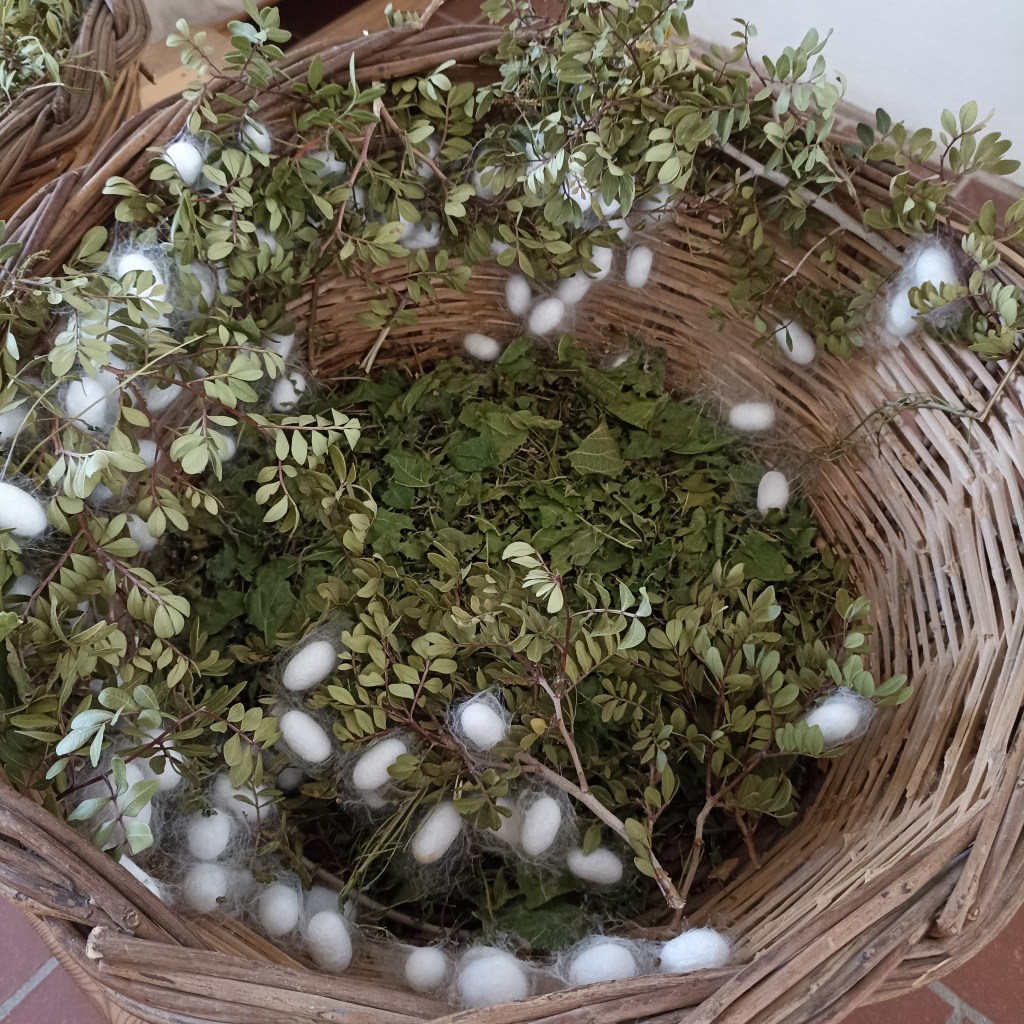
Silkworm breeding in Naxos
Last silkworm breeding season finished end of July. This summer was specially warm and I was afraid my silkworms will not make it to finish their life cycle. But they did it. For the spinning I collected for them some branches from the plant pistacia lentiscus, in greek σχίνος (shinos) . We can find easily…
-
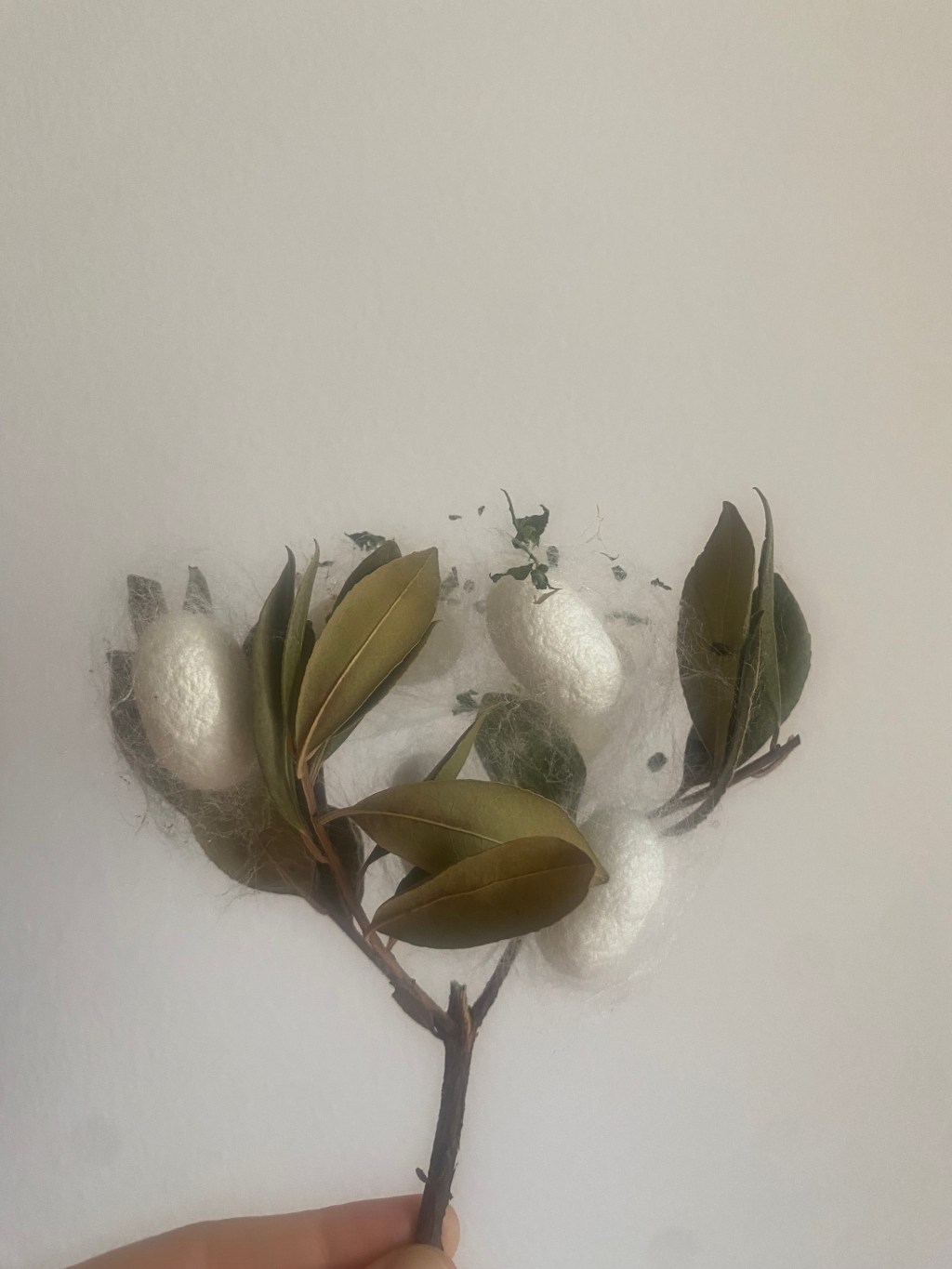
Cocooning time
After almost one month, nearly all of my silkworms have finished their cocoons. To help them in the process of cocooning, I used palm tree branches and dried olive branches that I found in the area around Athens.
-
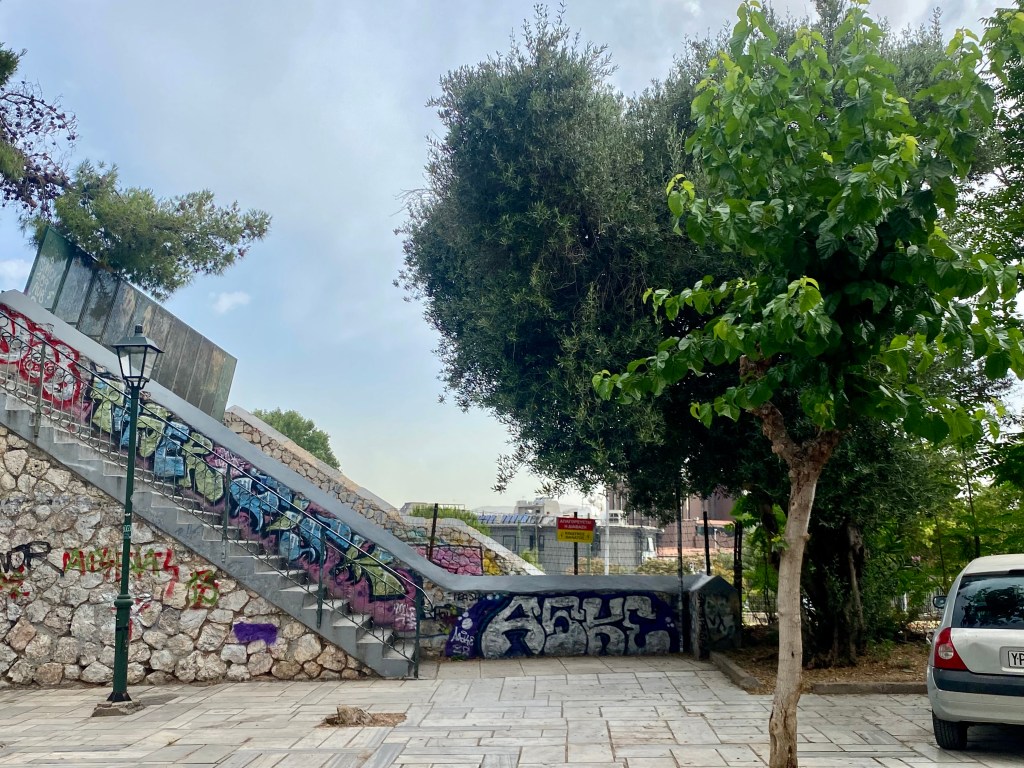
Sericulture in the centre of Athens
Every morning, I collect mulberry leaves to feed my silkworms. Fortunately, there are many mulberry trees in the area because the present National Gallery of Athens in Metaxourgeio, (“Metaxi” in Greek means “silk”), used to be the former silk factory, designed in 1833 by the Danish architect Christian Hansen. I always cut leaves from quiet…
-
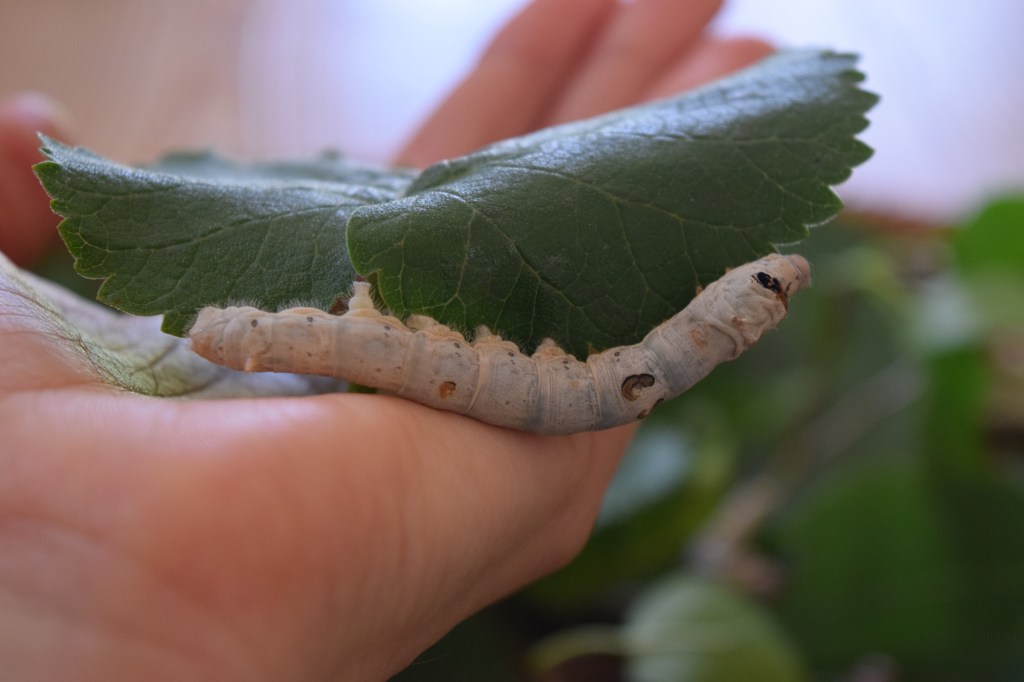
Day 25 – Fårö
The worms are growing fast. Almost everyone of my 35 worms have shed their skin for the fourth and last time. I am feeding them with morus nigra leaves from young trees which I planted here at my parent’s house last summer, and morus alba leaves which I pick in Visby.
-
Day 7
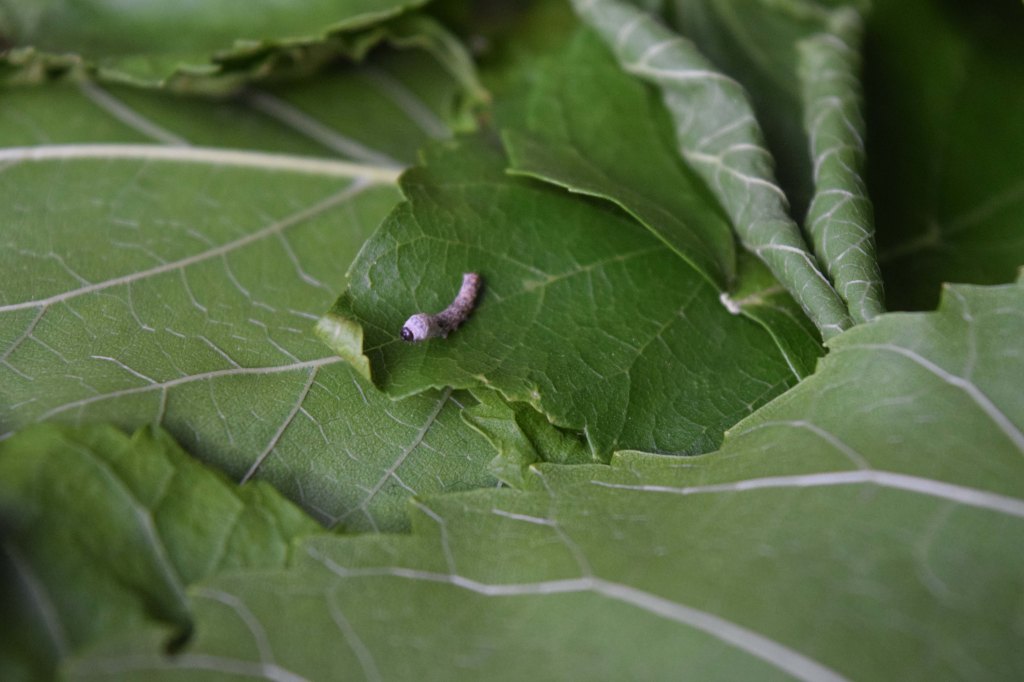
The worms did their first shedding on the 6th and 7th day. We also received great news from Gotland, where the eggs from last year now have hatched.
 Morus project