Röhsska Museum of Design and Craft, Gothenburg
04.09.2025 – 28.09.2025
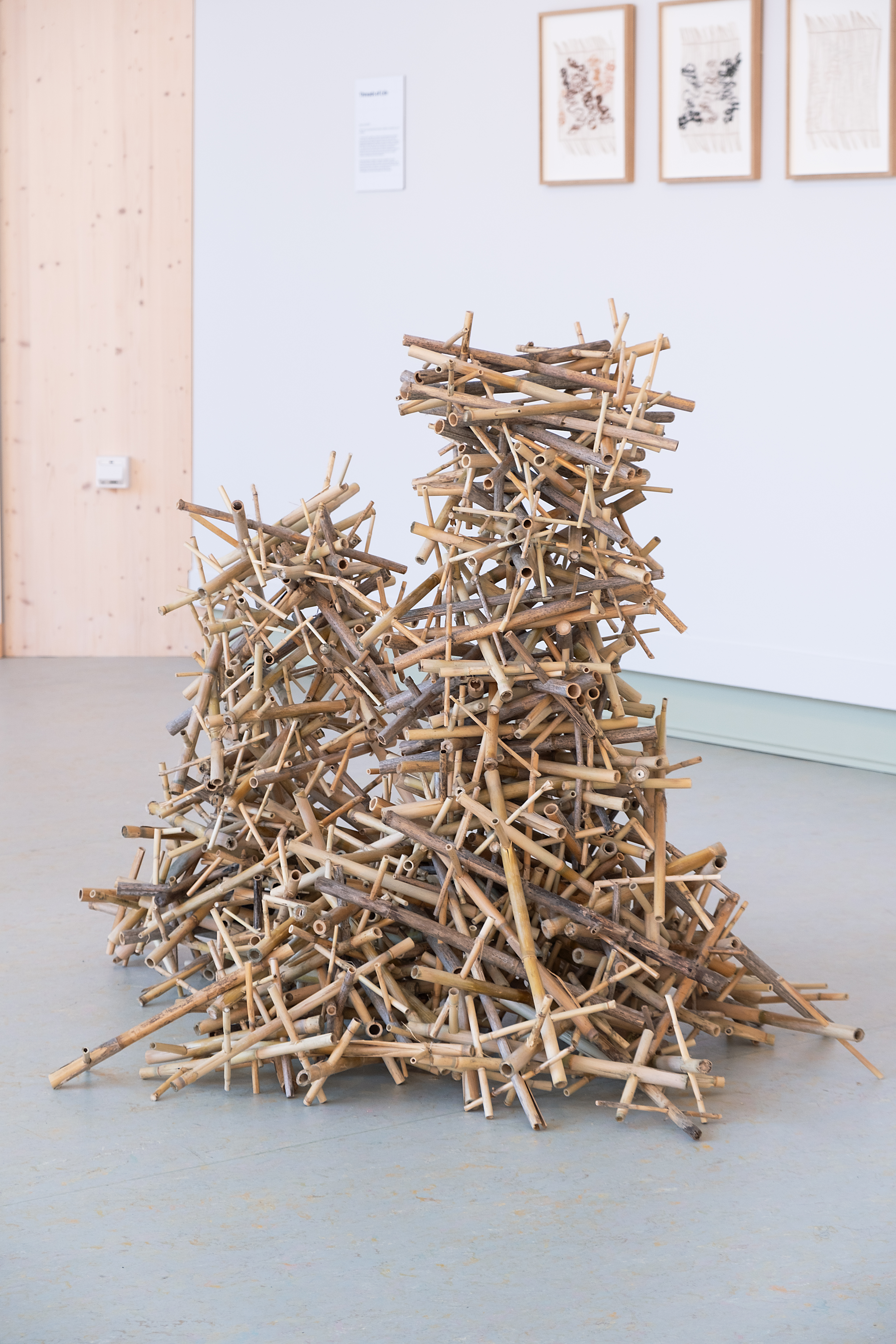
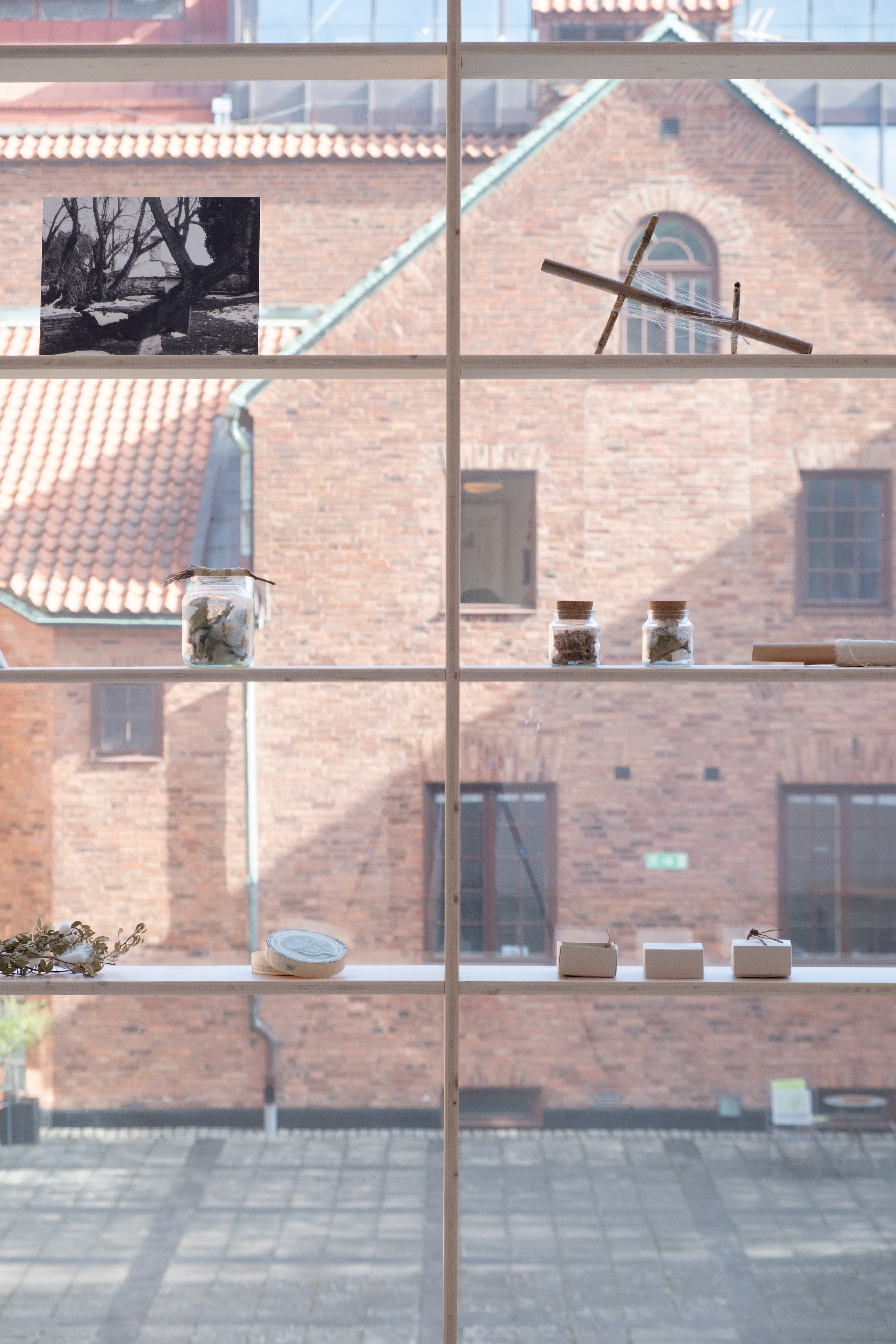
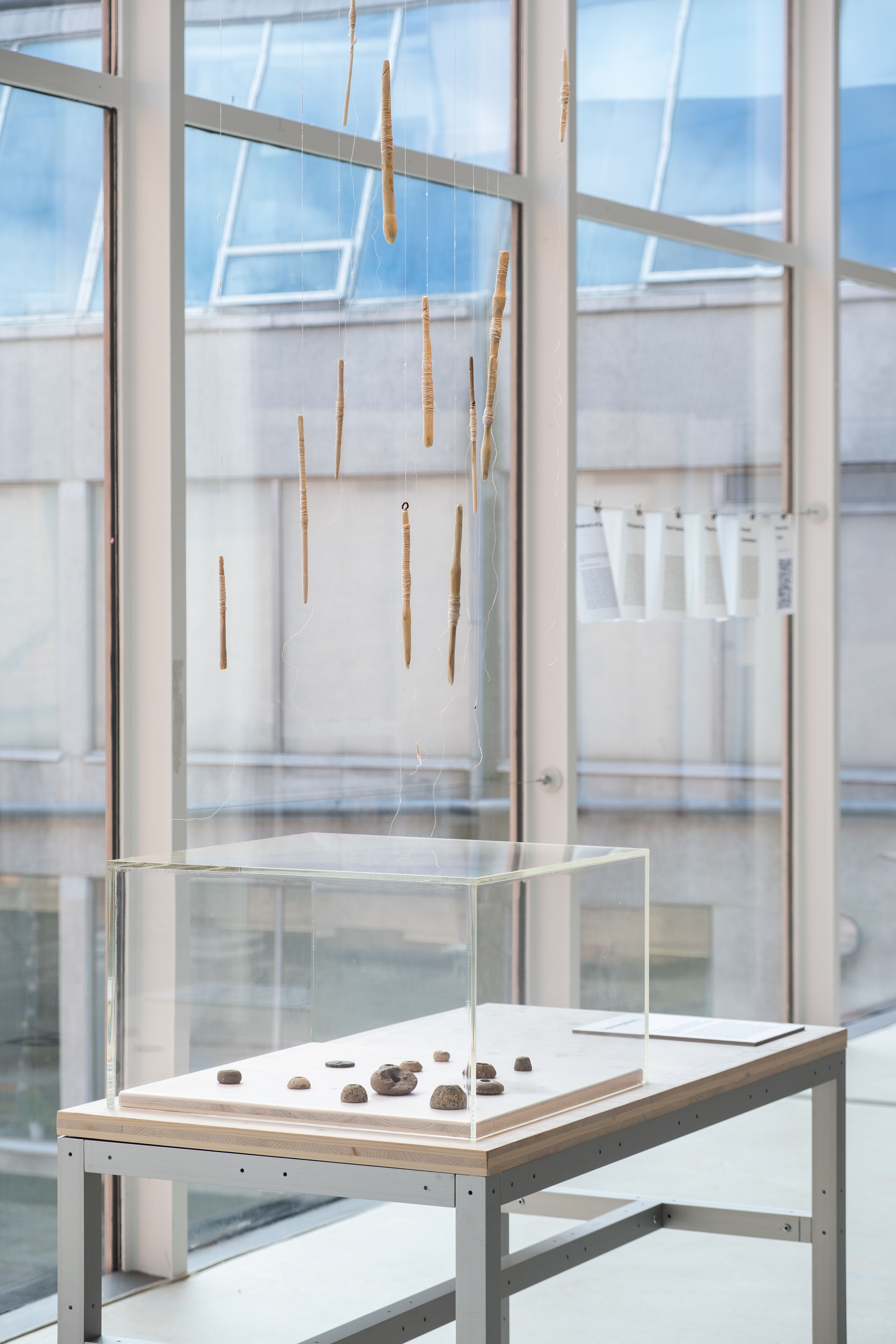
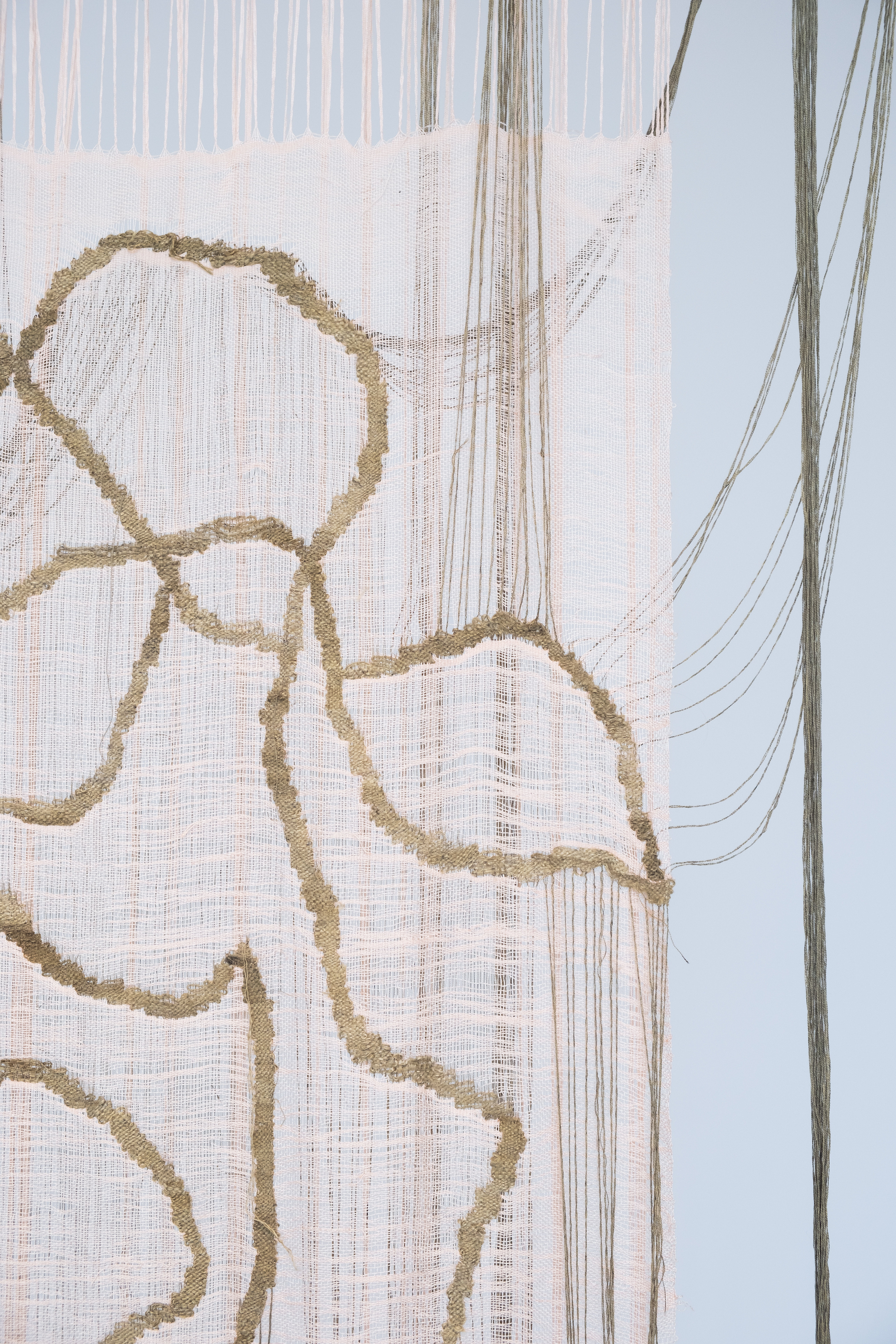
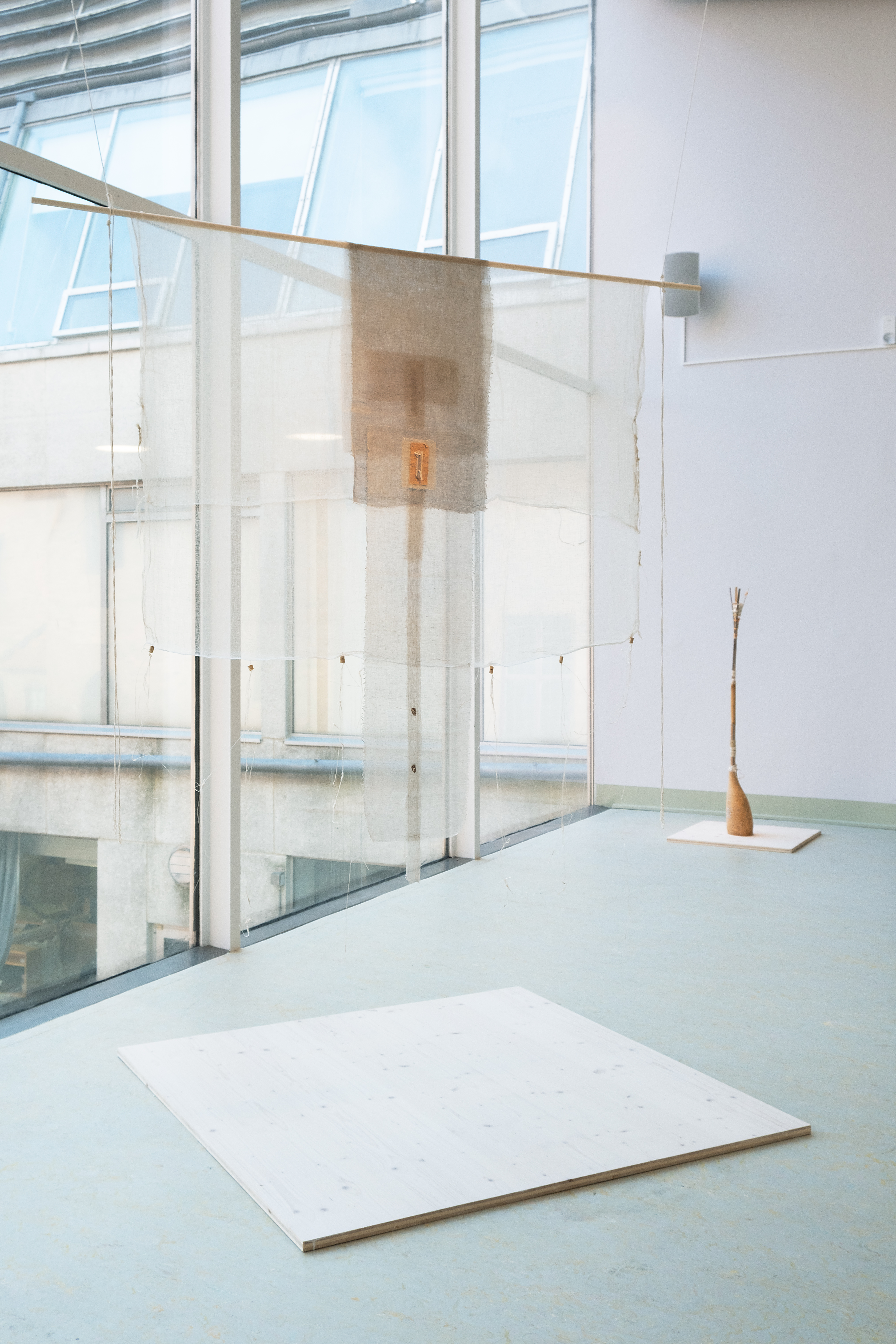
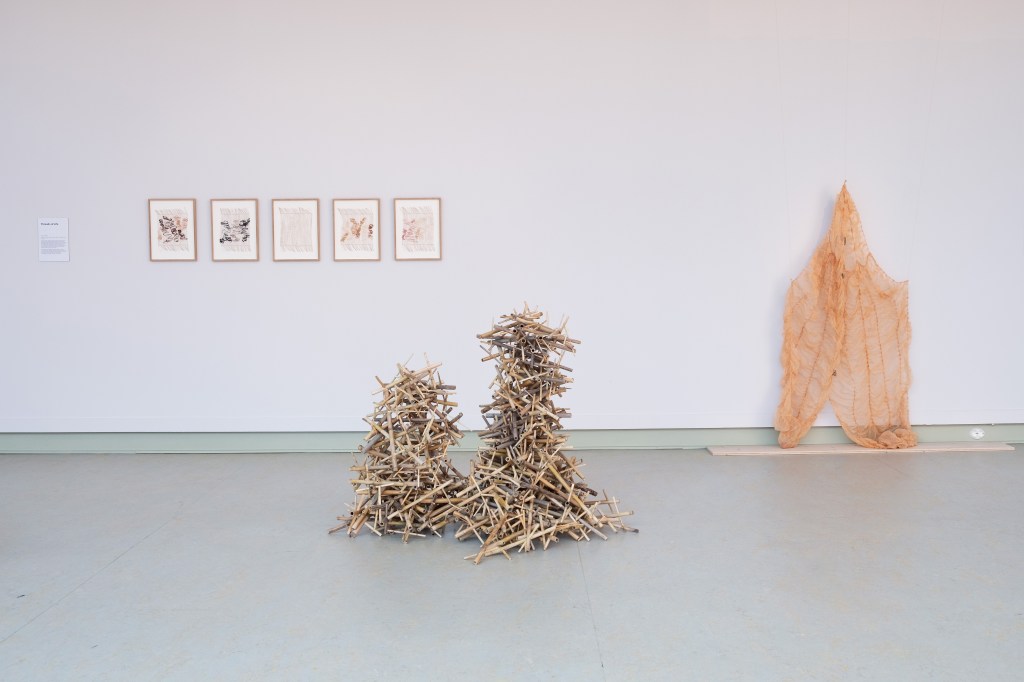
Super-Ö is filled with stories from women in silk processes – industrial, private, ceremonial, mythological – in the past, today and for the future.
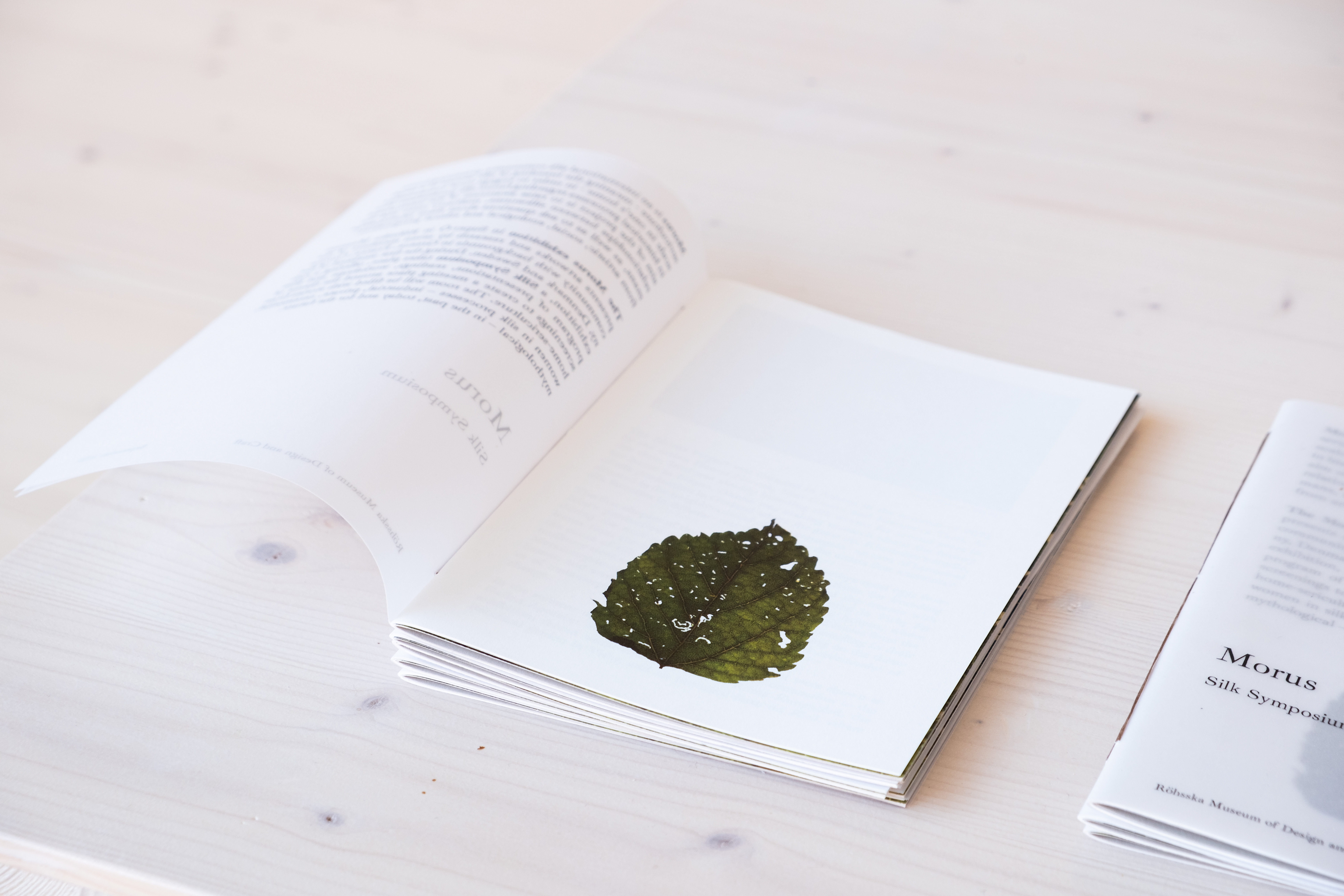
Morus is an international silk community, practicing home-sericulture – meaning the breeding of silk worms in a small scale in one’s home – in order to engage local communities in historical processes regarding future silk production. The aim of the project is to raise awareness of the intertwined relationships between silkworms, mulberry trees and humans, as well as to ask questions about these relationships from artistic, social, ecological and ethical perspectives.
The artworks and research presented in Super-Ö gives the visitors a deeper understanding of silk, a material featured in several of the objects in Design Stories. Participating members from the silk network are: Hanna Norrna (SE), Irini Gonou (GR), Kleopatra Tsali (GR), Anna Karlström (SE), Deborah Jeromin (DE), Giulia Zanvit (FR) and Maja Lund (DK).
Photo: Hanna Antonsson




Bunkier Sztuki Gallery, Krakow
14.05.2025 – 31.08.2025
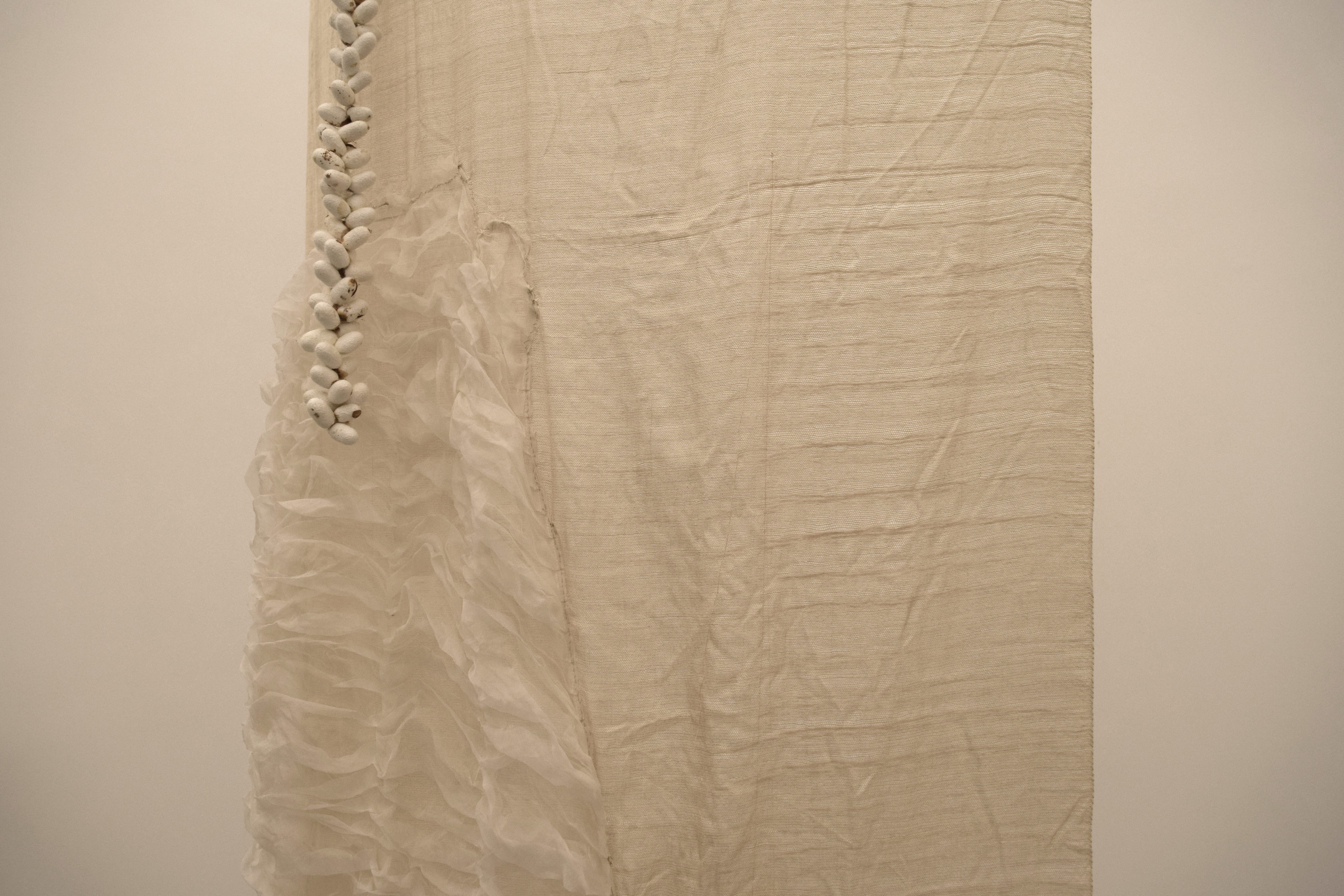
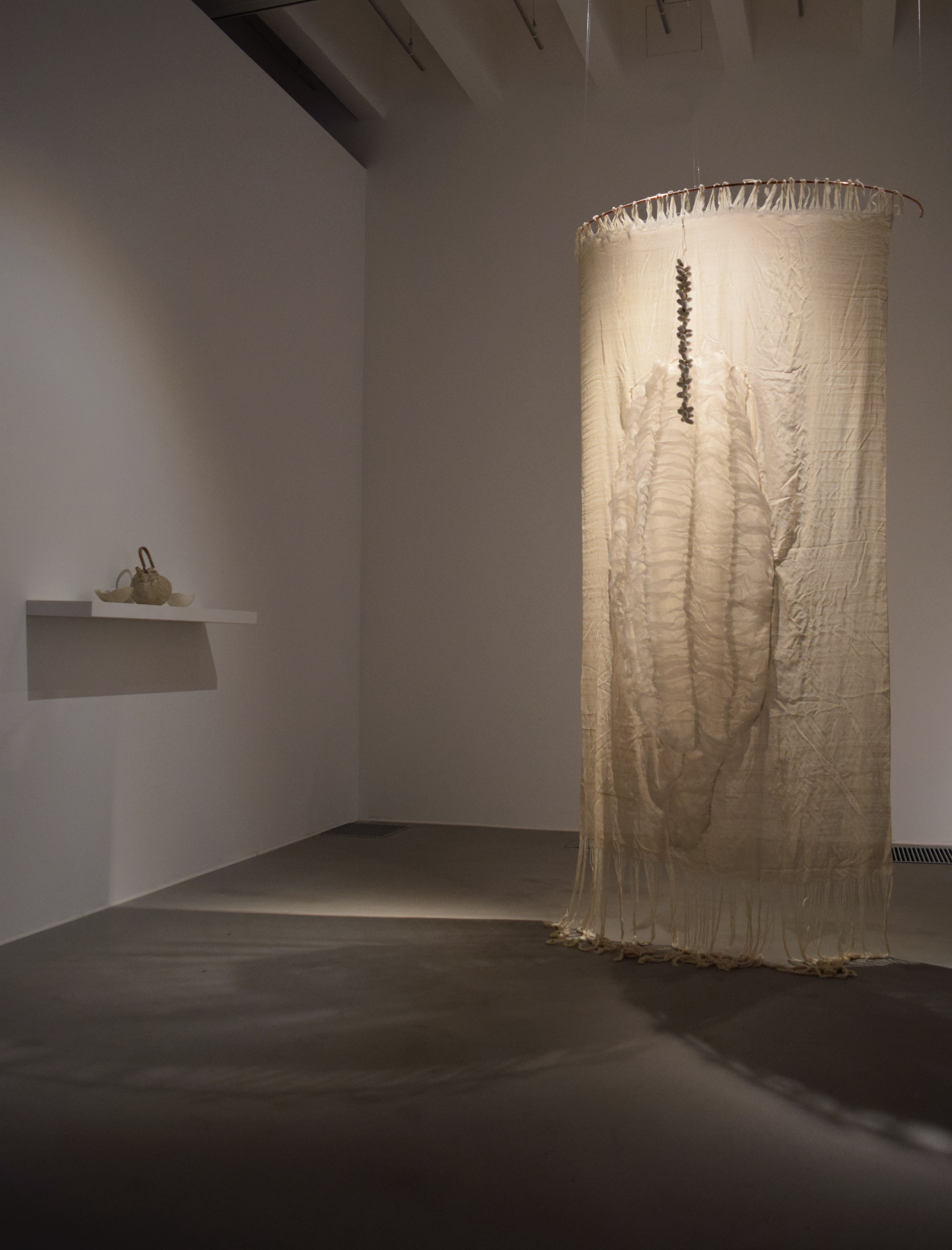
Soothing as Shelter is an artwork created by the Morus Project collective in cooperation with the curator Elli Leventaki, as part of Greece’s partnership in the Three Seas Initiative, along with several other European countries. In this context, they represent the Athens School of Fine Arts at the first edition of the Three Seas Art Festival, which is envisioned in the form of a biennale and will take place every other year in a different partner country. The artwork was exhibited in the group exhibition Revealing What is Partly Sensed in Bunkier Sztuki Gallery of Contemporary Art in Krakow.
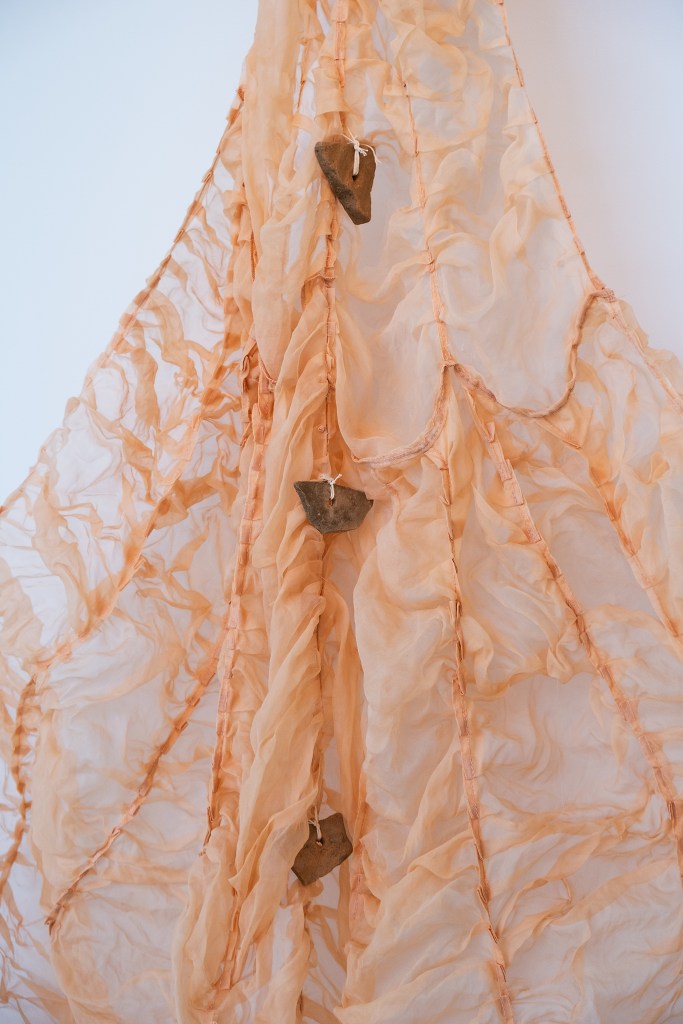
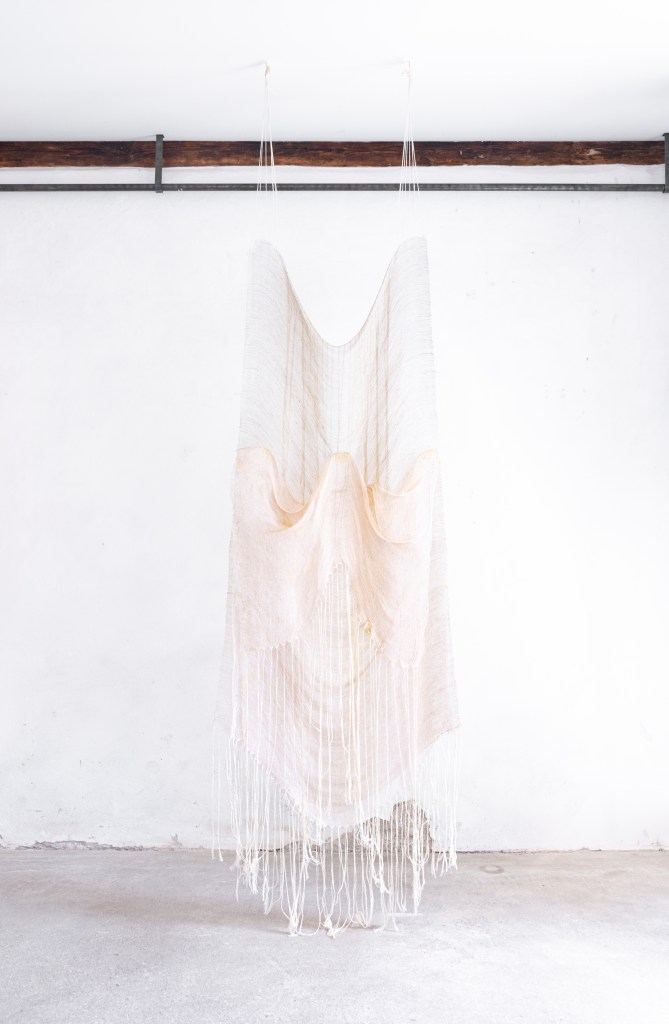
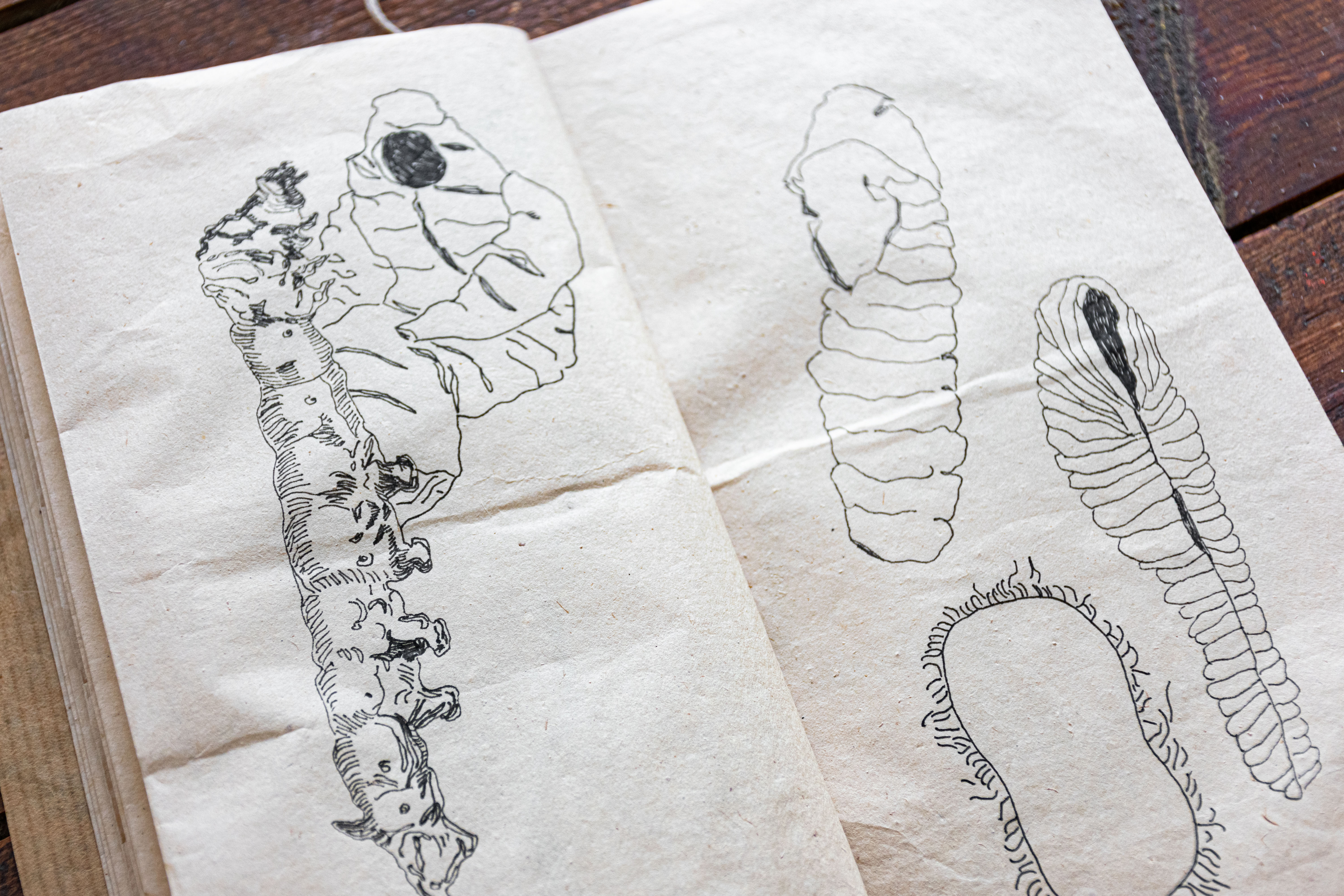
In Soothing as Shelter, the Morus Project’s teamwork and methodology are embodied in an installation featuring three handcrafted elements: a silk fabric, a publication, and a ceramic teapot with tea bags. The curved silk fabric, created collaboratively as artists passed it along and added to it, symbolizes the intertwined nature of their work and forms a cocoon-like space that offers visitors privacy and an opportunity for introspection. The tea is made from mulberry leaves, which are the silkworms’ primary food, while the accompanying publication that is embedded in the installation captures the project’s research, creative process, and curatorial approach. Additionally, there are QR codes placed at the mulberry trees of the Botanical Garden of the Jagiellonian University, forming a conceptual connection with the Bunkier Sztuki Gallery. Overall, the installation links Poland’s rich textile heritage with Greece’s long tradition of sericulture, inviting people to slow down, find shelter, and reconnect with nature through art.
– Elli Leventaki



Silk Museum of Soufli
20.12.2023 – 30.06.2024
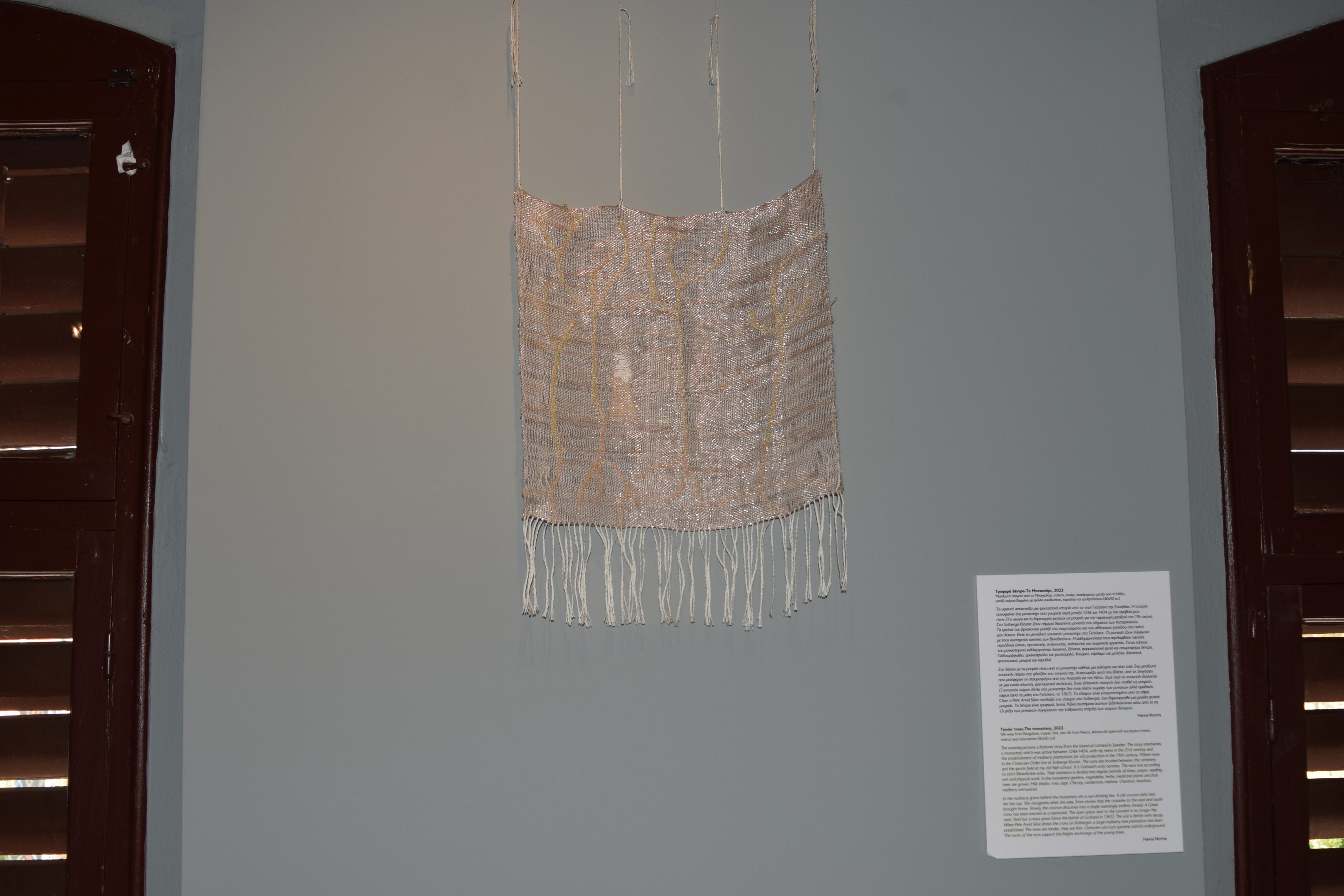
The Silk Museum of the Piraeus Bank Group Cultural Foundation opens its doors to the visual artists Hanna Norrna, Irini Gonou and Kleopatra Tsali, who intervene with their works in the Museum’s permanent collection.
The temporary exhibition called Morus attempts a dialogue between recorded history and oral narratives about silk. The group explores the artistic, social, historical and ecological dimensions of silk, starting with domestic sericulture.
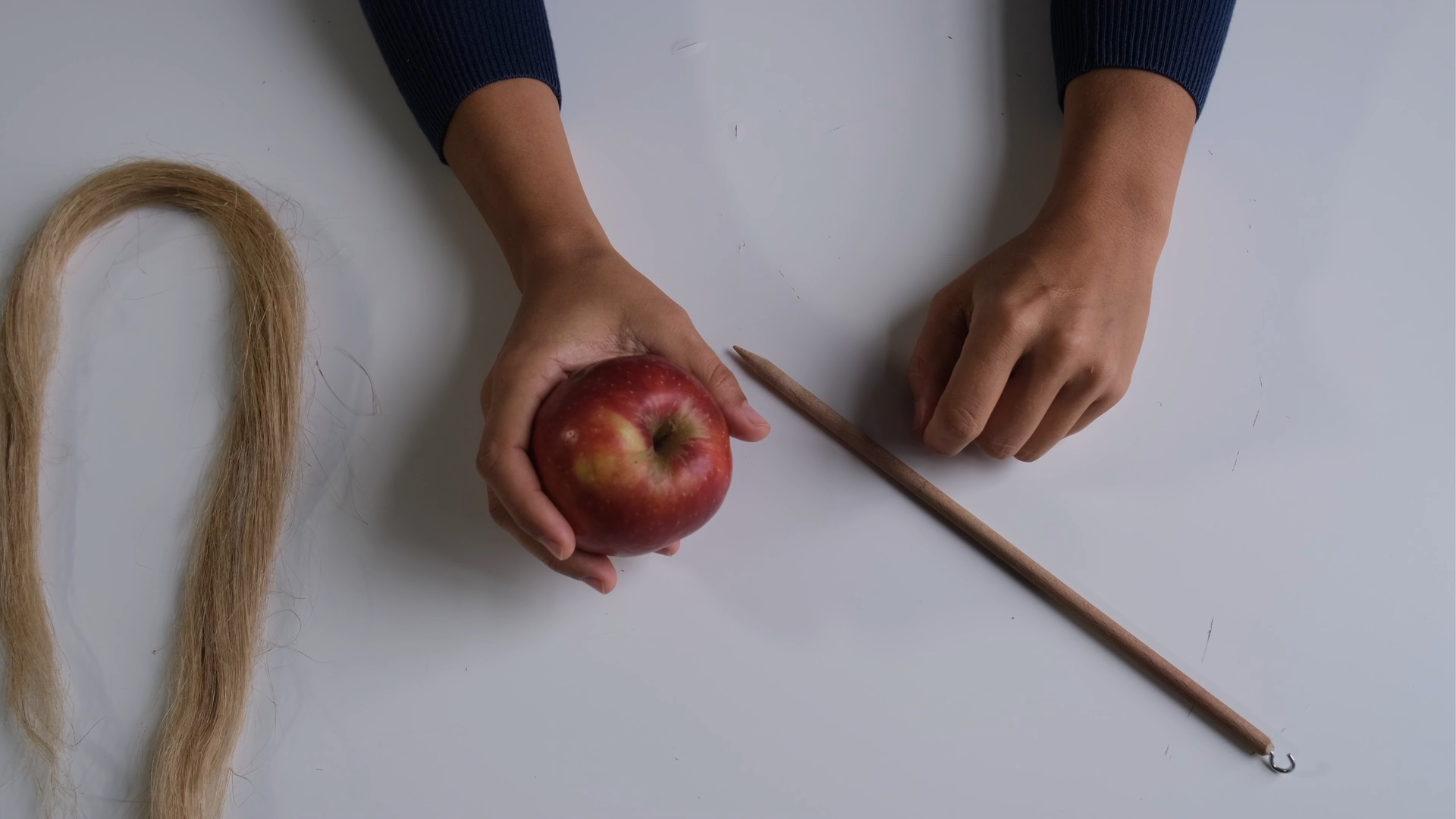
The three artists started to breed silkworms on a small scale in their homes in Gotland, Naxos and Athens respectively. Along with sericulture, they tried to expand and deepen their knowledge of everything related to local silk production, past and present, following the life cycle of the silkworms. When the silkworms emerge from their cocoons, the artists began to process the yarns, weave and create their works.
In direct dialogue with the objects in the permanent exhibition of the Silk Museum, the selected works highlight elements of the area’s material culture, such as the architecture and clothing choices of the inhabitants, as well as elements that make up the intangible cultural heritage.


Galleri Apoteket, Gotland
19.07.2023 – 06.08.2023
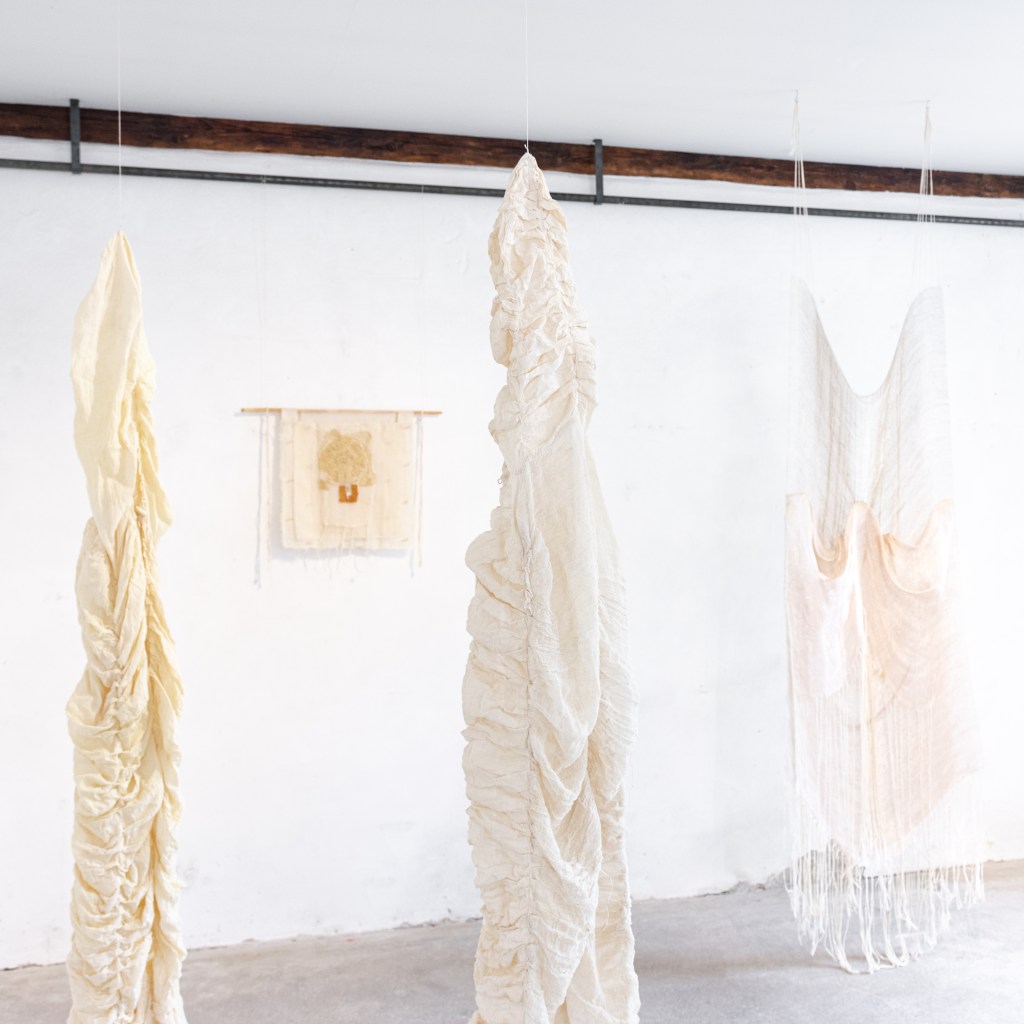
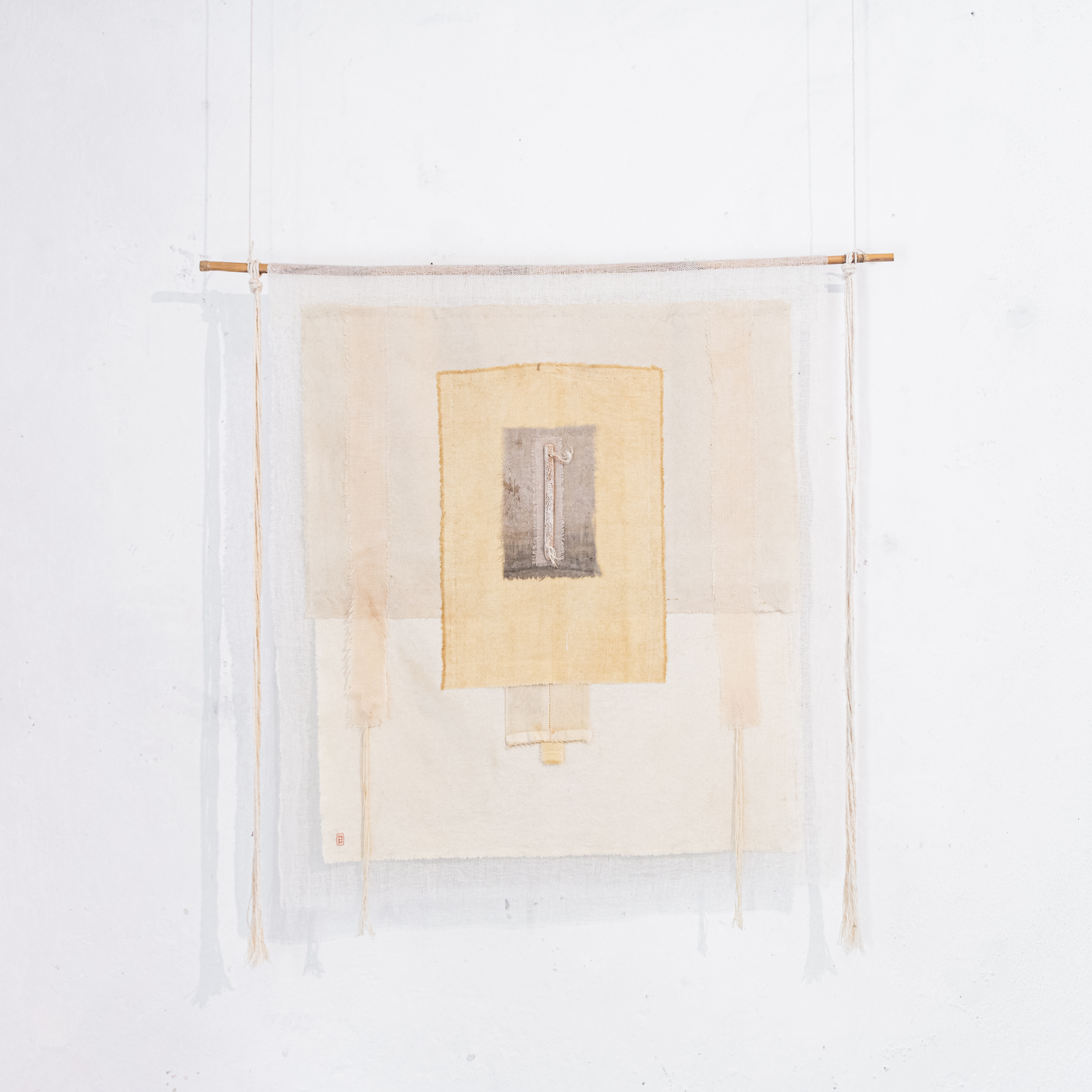
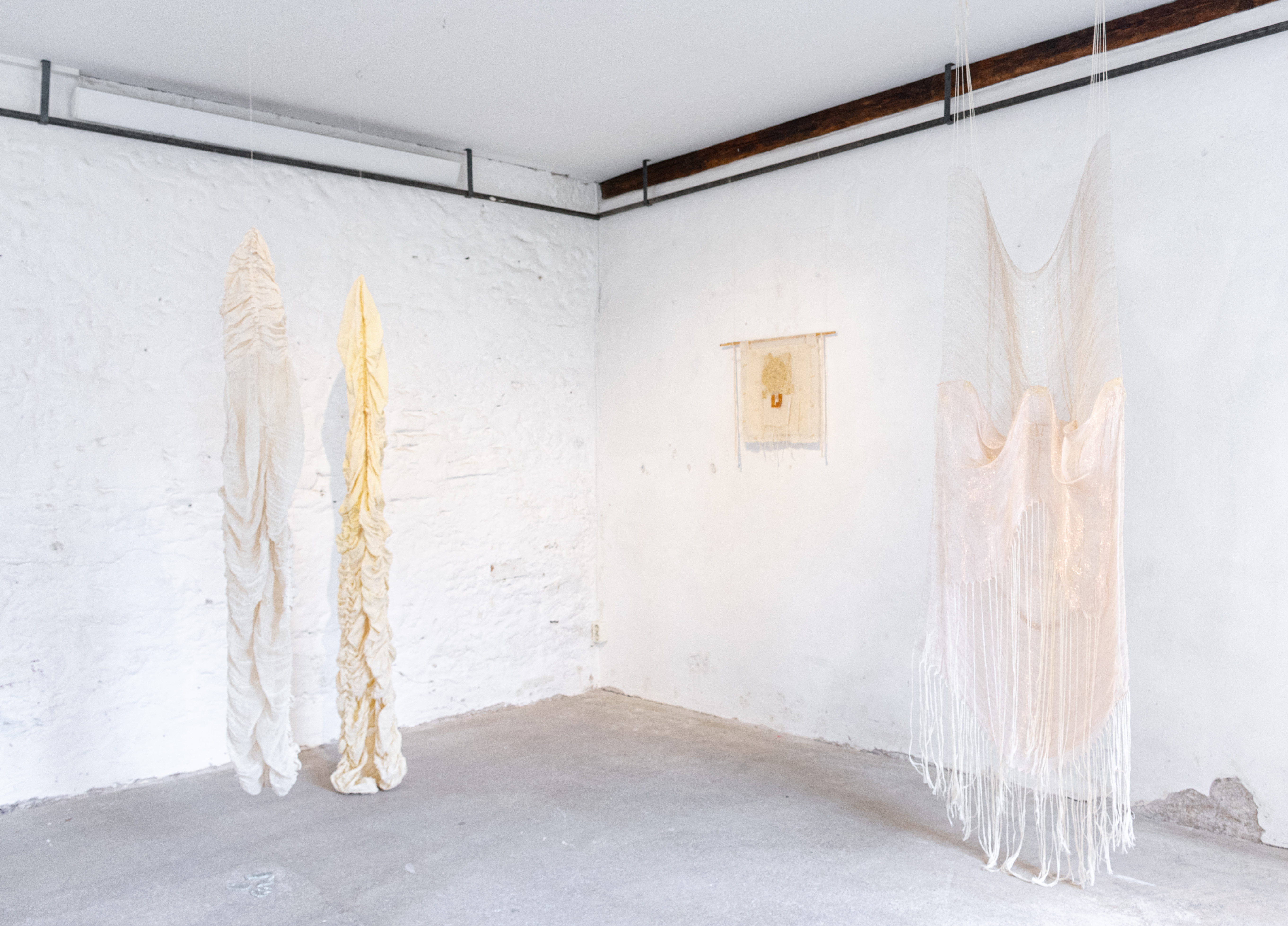
On Gotland, plantations of tens of thousands of mulberry trees were established between 1830-1850, on initiative of the Society of Domestic Sericulture. Women of the aristocracy produced silk on their own farms, and a group of women on the edges of society were trained by Elisabeth (Blessell) Kahl, to work within the silkworm-breeding at an institution called Arbetshuset in Visby. The origin of the Gotlandic silk productions leads to the Middle Ages, when the first mulberry trees were brought to the island with monks from southern Europe.
The exhibition Morus, at Galleri Apoteket in Roma Kungsgård, presents a number of individual artworks, as reflections on the themes of metamorphose, moulting, silk mythology and ceremonies of change. Roma Kungsgård is a site where mulberry trees were grown in orangeries during the 18th century. The gallery space used to be a pharmacy, which links the artists to the women who used herbs and threads with medical purposes, and the accusations against them during the witch trials in Visby 1705.
The exhibition and workshops on Gotland were realised with support from the Swedish Arts Grants Committee. Photo: Nikos Antonopoulos

 Morus project